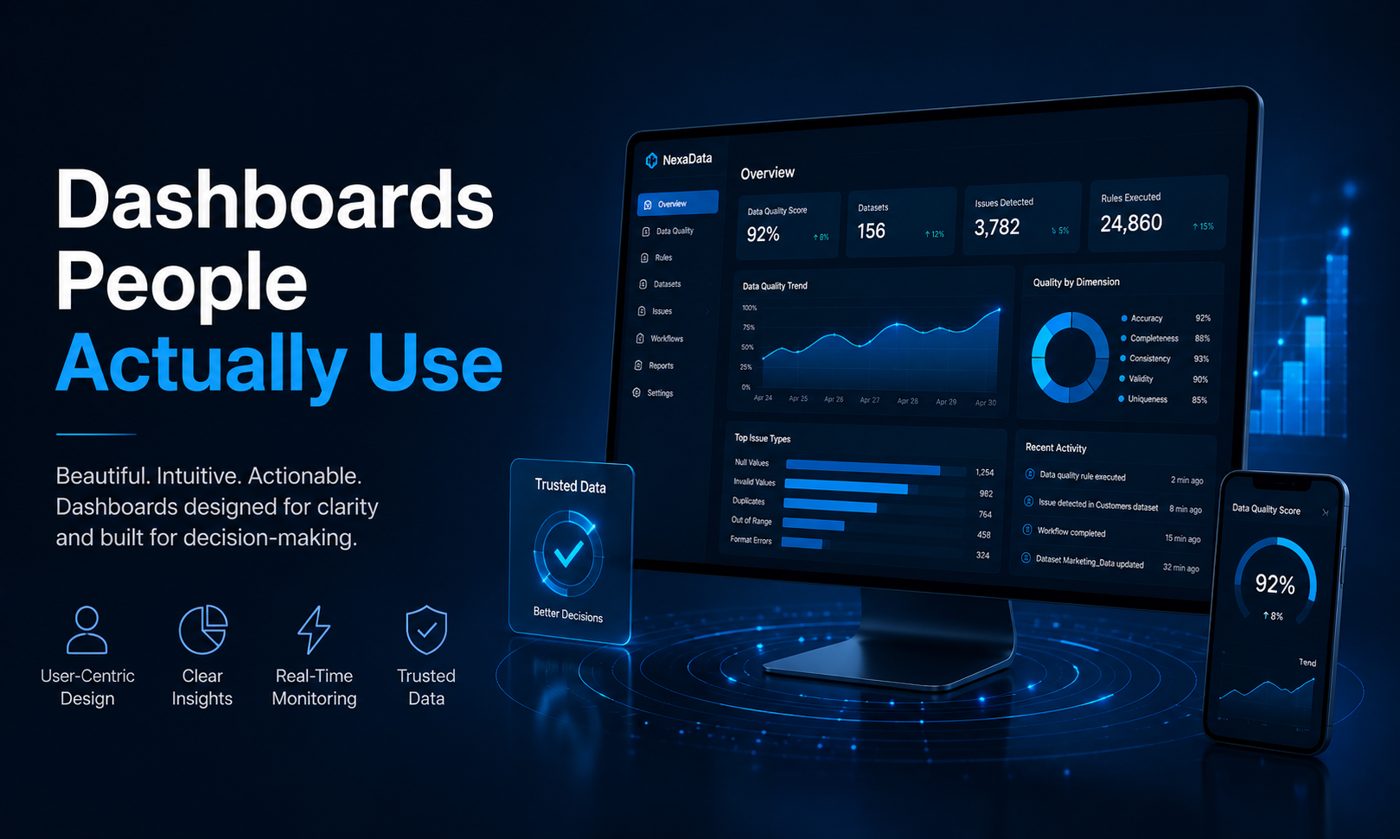
The dashboard is rarely the first problem
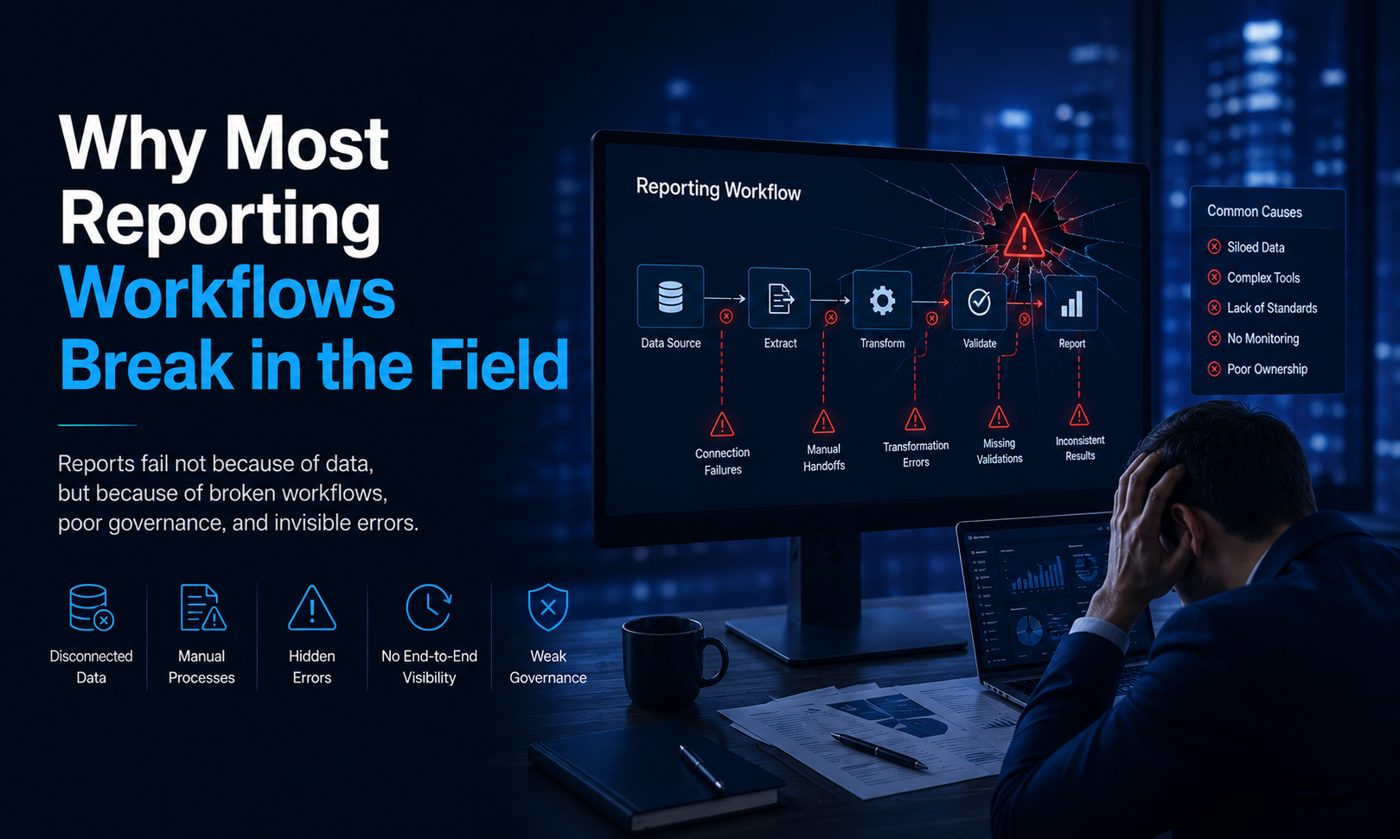
When teams complain that a dashboard is not trusted, the issue is often deeper than visualization. The real problem usually starts earlier: unclear definitions, weak validation, inconsistent data ownership, and reporting workflows that were never designed as a system.
Data quality depends on responsibilities
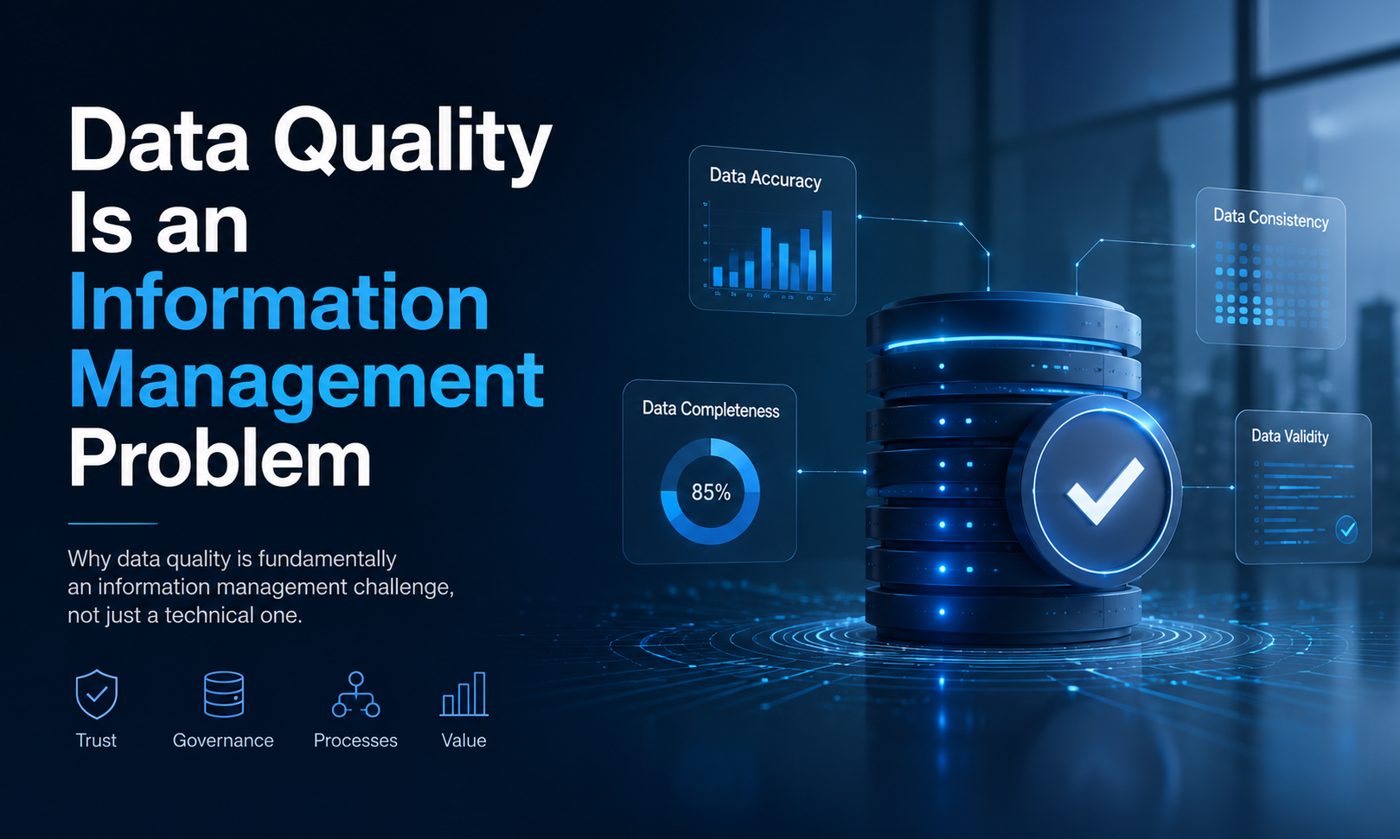
A dataset does not become reliable only because someone cleans it at the end. Reliable data requires clear roles: who collects it, who validates it, who approves it, who updates definitions, and who investigates errors before they become reporting outputs.
Validation must be part of the workflow
Quality checks should not be a separate activity performed after reports are already late. The strongest systems place validation rules inside the collection, review, and reporting process so teams can detect missing values, duplicates, inconsistencies, and unusual records early.
Better information management creates better analytics
Good analysis starts with structured information management. When definitions, templates, review steps, and ownership are clear, dashboards become more trusted and analysts spend less time fixing preventable errors.